Inside CCAI's Sandpit and Hackathon 2026

From exploring real-world AI challenges with external partners to developing prototypes in just three days, CCAI researchers put their ideas into practice at this year's Sandpit and Hackathon.
Taking place from 4 to 6 November 2026 at Northumbria University, the events brought together doctoral researchers, external partners, postgraduate students and staff for three days of collaboration, experimentation and new ideas.
The Sandpit: Bringing research and real-world challenges together
The Sandpit on Wednesday 4 November, organised by CCAI Co-Investigator 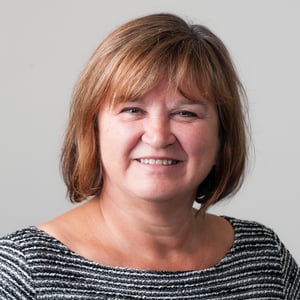 Professor Pam Briggs, brought researchers from Northumbria University’s UKRI Centre for Doctoral Training in Citizen-Centred Artificial Intelligence (CCAI) together with Nokia Bell Labs, Arts Council England’s Libraries Directorate and the North East Mayoral Strategic Authority.
A key part of the Sandpit is connecting our researchers with external partners and the real challenges they face. Rather than developing AI solutions in isolation, students have the opportunity to hear directly from organisations, understand their needs and explore how citizen-centred AI could make a difference. It’s a chance to put their research skills into practice, work across disciplines and build relationships beyond the University.
Each organisation introduced challenges for researchers to explore, with four multidisciplinary groups working across three areas: the North East AI Growth Zone, public libraries and AI, and challenges presented by Nokia Bell Labs.
The researchers worked alongside Tom Sharman and Mo Chowdhury from the North East Mayoral Strategic Authority, Luke Burton from Arts Council England’s Libraries Directorate and Edyta Bogucka from Nokia Bell Labs.
Following partner presentations and group workshops, the researchers developed initial proposals, which they presented back to the organisations for feedback.
For 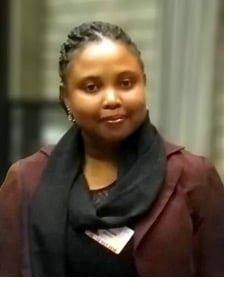 Maureen Mwadime, a Cohort 2 doctoral researcher, the opportunity to engage directly with external partners was particularly valuable:
The 2026 sandpit was a great venue for connecting with strategic partners, understanding their mandates and brainstorming solutions to real world problems.
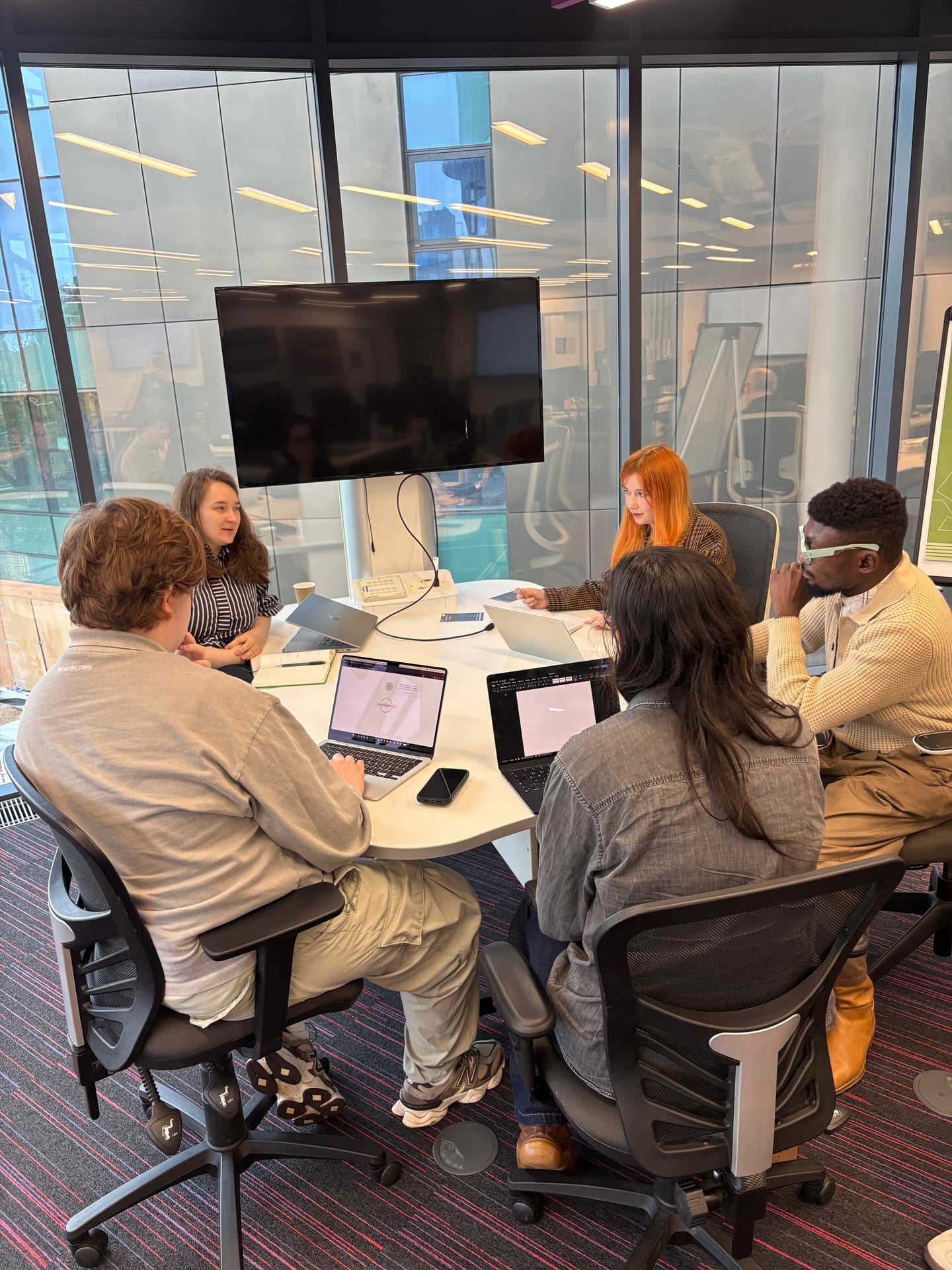
One project involved Cohort 3 researcher  Paris O'Keeffe-Johnston, who worked with Nokia Bell Labs to explore the potential consequences of AI data centres. Using the Futures Wheel, the group developed a research proposal examining possible future impacts, with plans for scenario development and further research.
For Paris, seeing how different researchers approached the challenges highlighted the value of working across disciplines:
It really demonstrated the value of interdisciplinarity within CCAI, highlighting how diverse skills, experiences and perspectives can lead to very different approaches and ideas.
The Hackathon: Two days, 11 teams and plenty of ideas
Following the Sandpit, attention turned to the 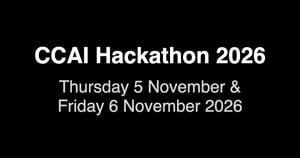 CCAI Hackathon on 5 and 6 November, led by
 Dan Jackson, Senior Software Engineer at Northumbria University.
Open to postgraduate students, University staff and invited participants, the Hackathon brought together 11 teams of between one and four people, all working to see what they could develop in just two days.
After an initial morning of brainstorming and project planning, participants got to work developing their ideas, before presenting their projects and demonstrations on Friday afternoon.
For  Chris Jackson, a Cohort 2 doctoral researcher, the variety of projects was a particular highlight:
I was surprised at how many great ideas were on show and how broad and varied they all were! People really got involved, and everyone made a real effort!
From blood donation to preserving memories
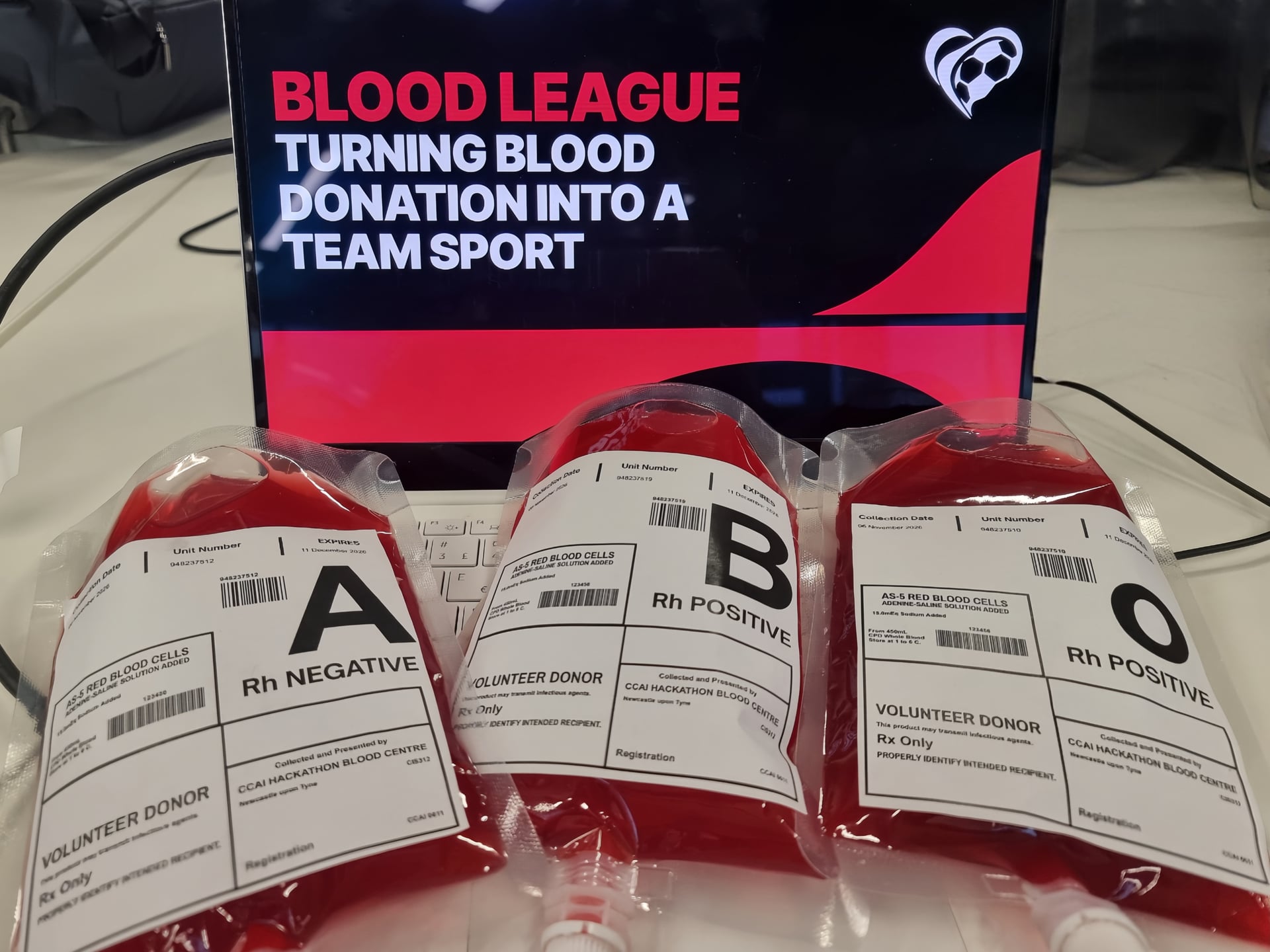
Among the projects was Blood League, developed by Cohort 3 researcher Paris O'Keeffe-Johnston. The concept uses football club loyalty and friendly competition to encourage more men to register as blood donors.
Over the two days, Paris developed an app prototype with a functional backend and sign-in feature, alongside a service blueprint exploring how the idea could work with existing blood donation services. She even created her own blood bag props for the final presentation!
Another project, Pieces, was developed by  Rhian Johnson and
 Faye Doughty. Their concept explores how technology could help people preserve memories of loved ones, whether they are experiencing grief, navigating terminal conditions or simply wanting to collect stories for the future.
The platform would allow individuals, friends and families to bring together photographs, handwritten recipes, old messages and personal stories. Others could also contribute their own memories and perspectives, helping to create a richer picture of someone’s life.
 Sharjeel Ahmed, Cohort 3, developed Social-Good, exploring how AI could generate personalised social stories and images to help people understand everyday routines, including autistic people and those with learning disabilities.
Other projects included Archive Detectives, developed by  Victoria Marriott,
 Olufeyijimi Ayinde,
 Caroline McKinley and
 Sally Whittle, which explored making historical library collections more accessible through an interactive game.
For Olu, the experience brought a real sense of achievement:
I did have a little reservation about whether my team would have been able to pull it off on the first day, but it was absolutely pleasing when we turned up with something amazing at the end.
Across the Hackathon, teams also explored AI fairness, digital wellbeing, community artwork, sharing skills and resources, and using urban data to simulate changes within cities.
Looking ahead
Together, the Sandpit and Hackathon gave researchers the opportunity to engage with external organisations, explore challenges beyond their individual PhD projects and develop new skills through practical experimentation.
From early-stage research proposals to working prototypes, the three days demonstrated the value of bringing different disciplines and perspectives together to explore how AI can respond to real-world challenges.
The Centre would like to thank  Nokia Bell Labs,
 Arts Council England - Libraries Directorate and the
 North East Mayoral Strategic Authority for sharing their expertise, Dan Jackson for leading the Hackathon, and everyone who contributed to making the events possible.
We look forward to seeing how the ideas and connections developed over the three days progress.
Interested in collaborating with CCAI?
We’re always keen to connect with organisations, researchers and partners interested in exploring real-world challenges through citizen-centred AI.
Find out more about our research and opportunities to work with us: Explore CCAI.
Events

Organisations
People
- Dan Jackson
 Andriana Lagoudes
 Annabelle Rose
- Bobby Ramsey
- Caroline McKinley
- Chris Jackson
 Ella Walters
- Faye Doughty
 Joella Lynch
 Kenyode Michael
 Laurence Beebee
 Matt (Wood) Tatwood
- Maureen Mwadime
- Melanie Grimsley
- Paris O'Keeffe-Johnston
- Rhian Johnson
- Sally Whittle
 Sakshi Upadhyay
- Sharjeel Ahmed
- Victoria Marriott
 Yve Smith
- Pam Briggs